Lift Engineer Apprenticeship Program

A comprehensive program designed to prepare participants for obtaining the official certification as a qualified Lift Maintenance Engineer.

3rd Edition: April 16 – September 10, 2026

Contact us  


Currently available in Spanish only.
Additional language versions can be provided upon request.

Who is this Program for?

For future lift engineers:

You come from another sector and are looking for a stable profession.

You already work as an assistant but need official certification.

You have no prior experience or official qualification in elevators.

For Companies:

You have staff currently undergoing training or internships.

You need to certify technicians without accredited experience.

You want to comply with regulations and strengthen your technical workforce.

What is the Lift Engineer Apprenticeship Program?


It is an intensive dual training program that combines real on-the-job practice within the company with online training delivered by Docensas.

It is designed to prepare future maintenance technicians in just a few weeks to obtain the official certification as a qualified elevator maintenance technician, in accordance with UNE-EN ISO/IEC 17024.

Throughout the entire process, Docensas works in coordination with the company tutor, ensuring that the practical and theoretical components reinforce each other. The objective is for the trainee to be ready for the examination in less than 3 weeks.


Online Training

The training is structured into guided thematic modules, exercises, videos, and live sessions (Virtual Classroom). It provides a learning experience designed to ensure effective and engaging knowledge acquisition.

Docensas’ online content is:

  • Didactic and interactive
  • Includes high-definition interactive images
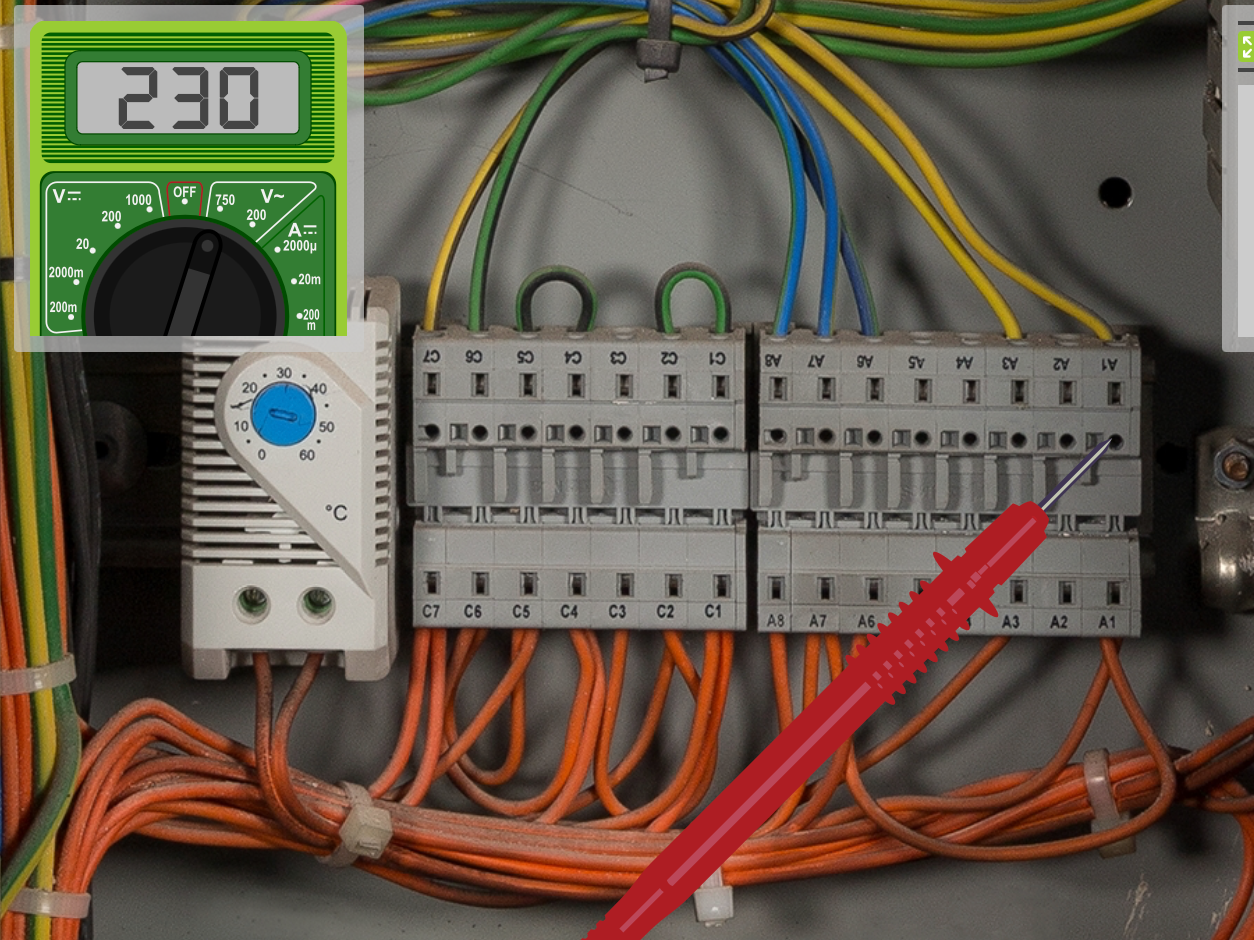
  • Features 3D models to explore components as if they were in your hands
  • Incorporates virtual simulators
  • Delivered through an attractive and functional visual design, far from the typical flat PDF instruction manual

In-Company Practical Training

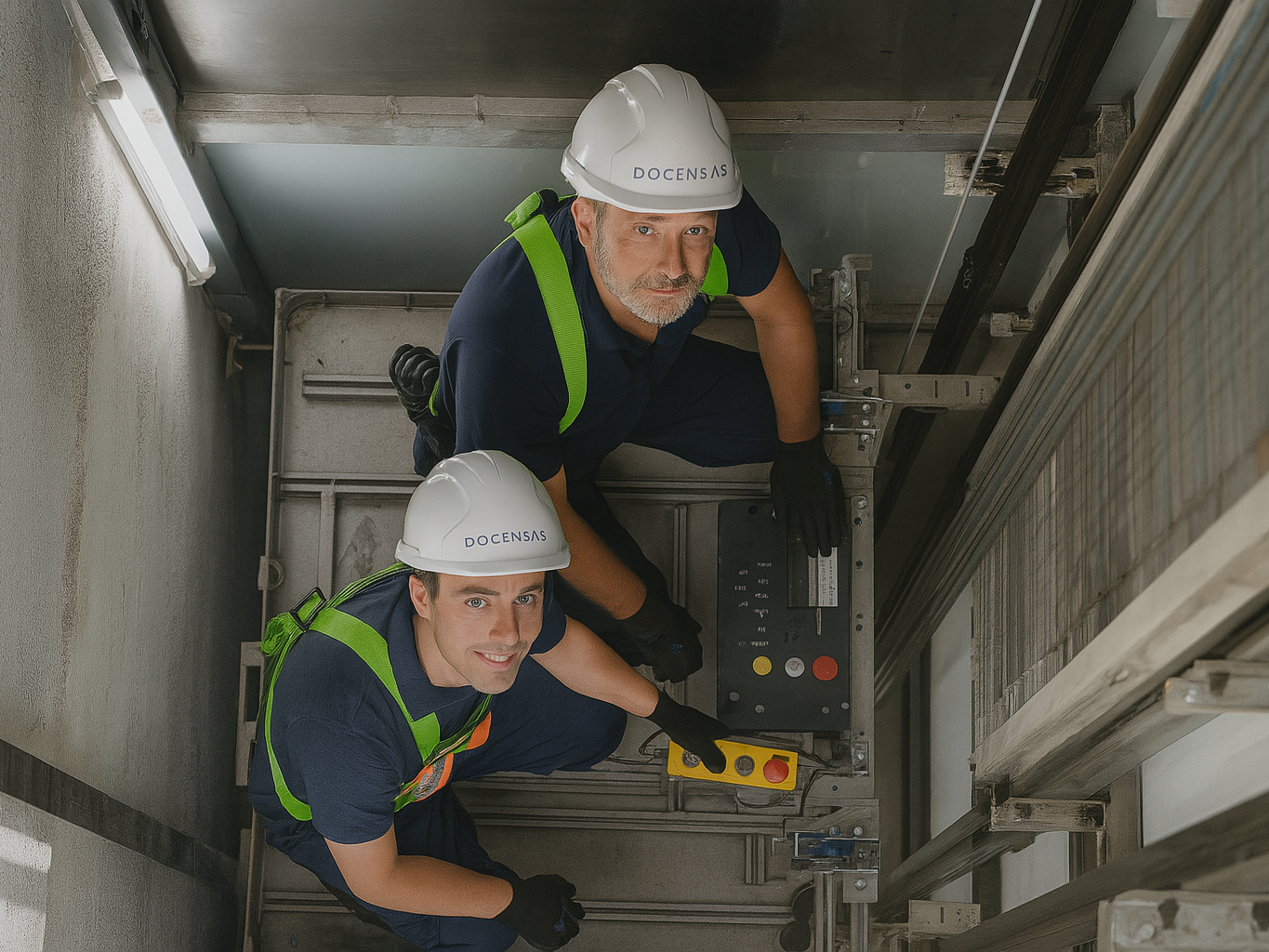
Supervised practical training carried out in real installations, planned in coordination with each elevator installation and maintenance company.

Calendario y contenidos

III Edición: 16 abril - 10 de septiembre de 2026

Bienvenida

  • Videoconferencia de bienvenida y test inicial*

Mód. 0 - Preparatorio

  • 0.1 Conceptos básicos de electricidad y electrónica
  • 0.2 Simbología e interpretación de esquemas eléctricos

Mód. 1 - Ascensores y otros equipos de elevación

  • 1.1 Fundamentos
  • 1.2 Seguridad y normativa

Mód. 2 - Mantenimiento preventivo del ascensor 

  • 2.1 Marco técnico y legal
  • 2.2 Componentes mecánicos
  • 2.3 Componentes hidráulicos
  • 2.4 Componentes eléctricos

Mód. 3 - Rescate de personas atrapadas en el ascensor 

  • 3.1 Maniobras de rescate
  • 3.2 Principios generales
  • 3.3 Procedimientos

Mód. 4 - Diagnóstico y reparación de averías mecánicas del ascensor 

  • 4.1 Componentes mecánicos y sistemas

Mód. 5 - Diagnóstico y reparación de averías especificas de ascensores hidráulicos 

  • 5.1 Detección y resolución de averías
  • 5.2 Casos prácticos

Mód. 6 - Diagnóstico y reparación de averías eléctricas y electrónicas del ascensor 

  • 6.1 Componentes eléctricos 

Mód. 7 - Gestión de modificaciones y puesta en servicio del ascensor 

  • 7.1 Modificaciones y puesta en marcha

Módulo 8. Preparación de prueba teórico-práctica de examen de certificación

  • Recuperación y repaso

* Test inicial: un test para determinar el nivel de conocimiento previos del alumnos de electricidad y electrónica. 

Nota: La duración estimada del programa es de 250 horas que incluyen las horas presenciales (aula virtual), las prácticas online y las prácticas en instalaciones planificadas con cada empresa, en función del perfil de cada alumno, de los resultados obtenidos en el test inicial y final, y del número de horas prácticas. 

Los contenidos están diseñados para adaptarse tanto a perfiles sin experiencia, como a personas con conocimientos previos en electricidad y electrónica.

What Are the Advantages?

Specific Preparation for the Official Certification Exam

The program is designed to ensure that participants reach the final exam with the necessary knowledge, skills, and confidence. Although certification is granted by an accredited assessment body, our training approach is aligned with the required criteria and based on real evaluation scenarios.

Direct Coordination with the Company During Training

We work hand in hand with the company tutor or practical training supervisor, reinforcing on-site learning and ensuring practical, well-structured training.

Adaptive and Flexible Methodology

Thanks to the initial assessment and modular content structure, each participant can tailor their learning path according to their prior experience. This allows for optimized training time and a focus on what truly matters.

Training Designed for Learning, Not Memorization

No dull PDFs. Our platform includes interactive 3D models, high-definition images, virtual simulators, and guided sessions that help integrate knowledge in a clear and practical way.

Note: Docensas does not certify or conduct official assessments. We prepare candidates to sit the examination before an ENAC-accredited certification body in accordance with UNE-EN ISO/IEC 17024.

What does it mean to be a Lift Engineer?

1.

A Profession in High Demand with Strong Job Stability

Elevators are everywhere and require constant maintenance. Companies in the sector are continuously seeking qualified technicians, and there is a shortage of certified professionals. It is a future-proof profession that is highly valued by employers.

2.

Real Opportunities for Professional Development

Starting as a maintenance technician, you can progress to roles such as specialist technician, team leader, supervisor, or inspector. You may also specialize in emerging technologies such as IoT, predictive maintenance, energy efficiency, or accessibility.

3. 

A Profession That Combines Technical Expertise with Human Interaction

Being a lift engineer is not only about tools and machinery. It also involves direct communication with clients, residents, and building communities. It is a well-rounded profession—problem-solving, technical, and people-oriented—where every intervention matters.

4. 

Complex Systems That Challenge and Inspire

Elevators are fascinating machines that integrate electrical, electronic, mechanical, and hydraulic systems into a single solution. Maintaining them requires logical thinking, diagnostic skills, continuous learning, and strong technical competence. Ideal for those who enjoy understanding how things work.


¿Te has quedado con dudas? 

Interested in joining the Apprenticeship Program?

Fill out the form and we will contact you with no obligation.