
Machine fundamentals
- Machine components and types
- Mechanical components of the lift machine
- Motors
Maintenance
- Preventive maintenance
- Corrective maintenance
- Practical case studies
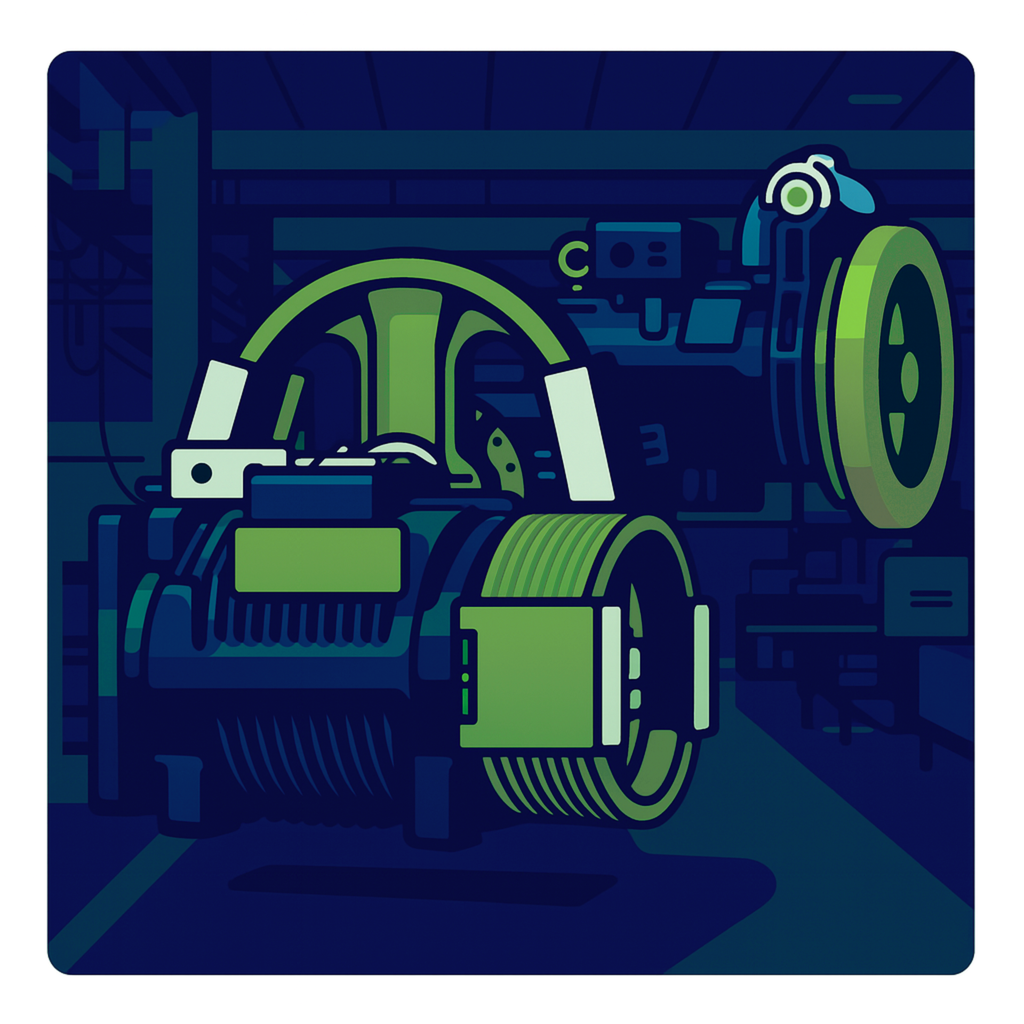
This course provides practical training in the maintenance of the lift machine, the electromechanical assembly responsible for moving the car. Through structured learning content, it introduces the basic operation of the electric motor and the role of key components such as the traction sheave, brake and cooling fan, while covering the essential tasks involved in both preventive and corrective maintenance.
The course also presents the most common control systems, including variable frequency drives, preparing technicians to identify, prevent and resolve faults in the core machinery of the lift.
Online
5 to 15 hours
Flexible
Fundamentals of lift machine maintenance
Develop a solid understanding of preventive and corrective maintenance principles for asynchronous and synchronous motors, including their construction, operation and specific characteristics.
Knowledge of machine types
Understand the most widely used machine models in the lift industry (motors and drives), as well as their typical applications across different lift configurations.
Effective preventive checks
Carry out periodic inspections and tests on machines with asynchronous and synchronous motors to anticipate and prevent common faults, following standardised procedures and manufacturers’ technical documentation.
Comprehensive system diagnostics
Diagnose mechanical, electrical and hydraulic lift systems using drawings, technical specifications and approved assembly methods, completing maintenance schedules and applying the required safety measures.
Fault detection and correction
Identify and rectify faults in lift machines and motors safely and efficiently, applying up-to-date industry procedures and ensuring system integrity.
Optimisation of operational efficiency
Improve installation productivity by reducing downtime through advanced maintenance techniques, while maintaining safety standards at all times.
Repair and commissioning
Repair or replace mechanical and hydraulic components associated with asynchronous and synchronous motors, ensuring compatibility, functional quality and safety, and carrying out the required operational tests.
Would you like to know more?